Planning a Grassland Bird Species-Focused Walk
Plan a grassland bird species-focused walk: set a target species list, time the visit, route the prairie habitat, brief the leader and pack a field bag.

Contents
- Choosing the target species list
- Timing the walk to grassland bird activity
- Routing through prairie habitat
- Identifying grassland birds by song and call
- Packing a prairie field bag
- Briefing the group before the walk
- Keeping a record of the walk
- Grassland bird walk questions
- What is a grassland bird species focus walk?
- When is the best time of day for grassland birds?
- How do I identify grassland birds by song and call?
- What should I pack in a prairie field bag?
- How long should a species-focused birding walk be?
- Should a walk leader brief the group before starting?
A grassland bird species-focused walk is a birding outing built around a short list of target species rather than a general stroll. You choose the birds you hope to find, match the route and the timing to their habitat and habits, and brief everyone before you start. The plan keeps the group quiet, keeps the focus on identification by song and call, and gives the walk a clear purpose.
- A target species list of a few birds keeps the walk focused and the group patient.
- Grassland birds are heard more often than seen, so identification by song and call carries the walk.
- Timing follows the season and the day: dawn in the breeding season repays an early start.
- The route should cross the habitat types your target birds need, not just follow the shortest path.
- A short leader briefing sets the quiet, the boundaries and the listening plan before anyone walks.
Choosing the target species list
A target species list is the backbone of a species-focused birding walk, because it decides where you go and when. Pick a small set of birds that the local grassland can plausibly hold in the season of your visit. Fewer targets mean more patience per bird and less rushing past good habitat.
Build the list from what the habitat offers rather than from wishful thinking. A field of tall native grasses and a grazed pasture hold different birds, and wet meadow edges hold others again. Check what has been recorded in the area and season, then choose targets that match the ground you can actually walk.
Group the targets by how you will find them, since some betray themselves by song from a perch and others flush from underfoot. Note the one or two birds that would make the day, and treat the rest as welcome additions. A clear list also lets the group share sightings by name instead of describing shapes.
- Name the season the walk falls in before choosing birds.
- Match each target to a habitat type the route can cross.
- Mark which targets are found by song and which by flushing.
- Keep the list short enough to search properly.
- Note the single bird that would define a good day.
Timing the walk to grassland bird activity
Timing for grassland birds shapes everything about a species-focused walk, from the start hour to the month you choose. Many grassland birds sing from exposed perches or in flight in the breeding season, and that song is the easiest way to locate them. Outside the breeding season the same fields can be quiet, and the walk becomes a search for flocks and wintering birds.
Early morning in the breeding season gives the calmest air and the strongest singing, so plan the listening stretch first. Wind and heat both suppress song and hide movement in swaying grass, so a still, cool morning is worth the alarm. Midday walking can still turn up birds, but the group will rely more on flushing and less on voice.
Weather on the day matters as much as the hour. A cold front, heavy overcast or strong wind can silence the field, and a warm calm dawn after rain can be loud. Check the forecast and keep a second morning free if the first is blown out.
Routing through prairie habitat
A grassland habitat walking route should pass through the edges, the tall grass and the open ground your targets use. Birds that nest in dense cover behave differently from birds that hunt from fence posts, and a route that touches both gives the group more chances. Plan the path so the sun is behind you where possible, which keeps color visible and glare out of the binoculars.
Walk slowly and stop often, because grassland birds reveal themselves in pauses rather than in distance covered. A route of a few hundred yards can hold a full morning if you stand and listen at each change of vegetation. Mark a few listening points in advance and treat them as the real destinations of the walk.
Stay on established tracks and keep the group from spreading into nesting cover. Ground nests are easy to crush and hard to see, and a distracted group can walk through them without noticing. Where the route crosses private or protected ground, arrange access beforehand and keep everyone on the agreed line.
Identifying grassland birds by song and call
Grassland bird identification by song and call is the central skill of this kind of walk, because many targets stay hidden in the grass. Learn a handful of songs before the outing and rehearse them with the group at the start. A bird heard but not seen still counts on a species-focused walk when the identification is sure.
Song is the longer, structured vocalization used to claim territory and attract a mate, while a call is the short note used for contact and alarm. Both help, and the call often gives away a bird in flight overhead. Describe each target's song in plain words, such as a buzzy trill or a rising whistle, and agree on those descriptions with the group.
Confirm an identification with a second feature when you can, such as a flight display, a perch, or the shape of the wings. Record what you hear and where, so the group can compare notes afterward. Playing recordings to lure birds is a matter for local guidance and should not be assumed; ask before using any playback.
Packing a prairie field bag
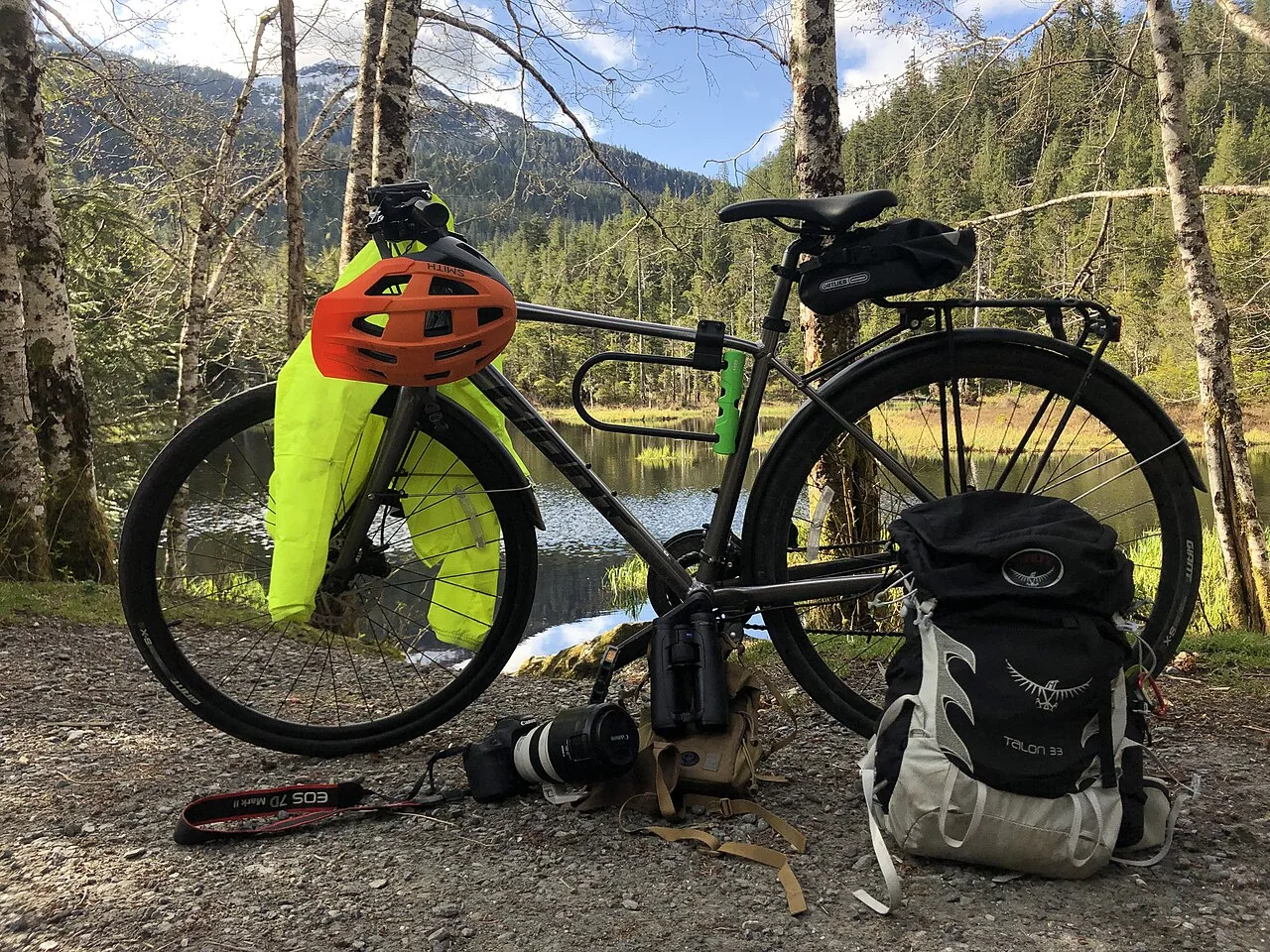
A prairie field bag for a species-focused walk carries optics, water, weather protection and a way to record what you find. Binoculars come first, and a spotting scope helps when a target perches far out in the field. Keep the bag light enough to carry through tall grass and quiet enough not to rattle.
Grassland walks expose you to sun, wind and insects with little shade, so pack accordingly. Water, a hat, sun protection, a light rain layer and insect repellent belong in the bag for the season you walk. Long trousers and sturdy boots protect your legs from grass seeds and rough ground.
Add a notebook or a phone for the species list, a pencil that works in damp weather, and a field guide for checking after the walk. A small first aid kit is sensible where the group is far from help. Leave room for layers as the morning warms and cools.
Briefing the group before the walk
A walk leader briefing sets the plan in a few minutes and prevents most problems later in the field. State the target species, the route, the expected stops and the time the group turns back. A short briefing keeps everyone working as one quiet unit instead of a scattered crowd.
Cover the quiet rule first, because a group that talks will hear far fewer grassland birds. Agree on hand signals for a bird heard or seen, and ask people to gather before speaking. Explain the boundaries of the route, including where the group must not step, and name a meeting point if anyone gets separated.
The briefing should also share the listening plan, naming the songs the group will search for at each stop. Ask about mobility needs and pace so no one is left behind, and confirm the weather plan. End the briefing with the first listening point, then start walking in silence.
Keeping a record of the walk
A record of the species-focused birding walk turns a morning in the field into something you can compare across seasons. Note each target, whether it was heard or seen, and the habitat where it appeared. The same route walked in spring and late summer tells you more than two unrelated outings.
Write the list at the stops rather than from memory at the end, because grassland sightings blur together quickly. Record the weather, wind and time of day alongside the birds, since those details explain why a target was silent. Sketches of song patterns and perch positions also help the group learn.
Share the list with the group afterward and keep a copy for the next walk on the same route. Over time the record shows which parts of the route hold each target and when. That knowledge makes the next target species list easier to choose.
Grassland bird walk questions
What is a grassland bird species focus walk?
A grassland bird species focus walk is a birding outing organized around a short target species list in prairie or pasture habitat. The leader chooses the birds to search for, then plans the timing and route around them. Identification by song and call carries much of the walk, because grassland birds hide in the grass.
When is the best time of day for grassland birds?
Early morning in the breeding season gives the calmest air and the strongest song from grassland birds. Wind, heat and heavy overcast can silence the field at any hour. Check the forecast and plan the listening stops for the stillest part of the morning.
How do I identify grassland birds by song and call?
Learn a few target songs before the walk and describe each in plain words, such as a buzzy trill or a rising whistle. A call is the short contact note, while song is the longer territorial vocalization. Confirm with a flight display or a perch when the bird shows itself.
What should I pack in a prairie field bag?
A prairie field bag should hold binoculars, water, sun protection, a rain layer and insect repellent for the season. Add a notebook, a pencil and a field guide for the species list. Long trousers and sturdy boots protect your legs in tall grass.
How long should a species-focused birding walk be?
The length of a species-focused birding walk depends on how many targets you set and how far the habitat stretches. A short route of a few hundred yards can fill a morning when the group stops to listen. Plan the turn-back time in the leader briefing so the pace stays comfortable.
Should a walk leader brief the group before starting?
Yes, a walk leader briefing should come before the group enters the field. State the target species, the route, the quiet rule and the hand signals for a bird heard or seen. The briefing also covers boundaries, mobility needs and the weather plan.