What Is Condensation
Condensation explained: how water vapor turns to liquid on cold surfaces, what dew point and humidity mean, and how condensation drying works in the field.
Contents
Condensation is the change of water vapor into liquid water when moist air cools to its dew point or meets a cold surface. In the field, condensation is what fogs a lens, beads inside a tent, and dampens gear overnight on the prairie. This page explains what condensation is, why cold surfaces collect it, and what condensation drying means for your equipment.
Why cold surfaces collect water
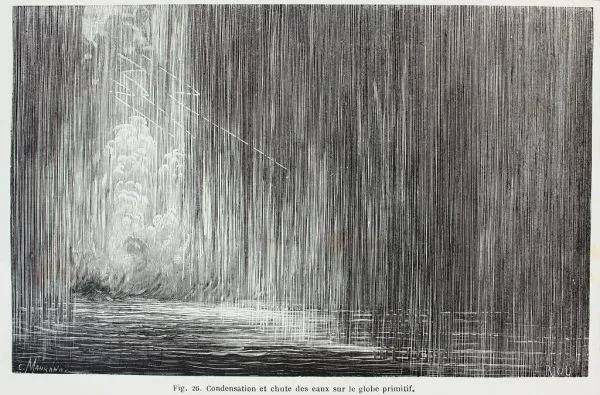
Water vapor turning to liquid happens when air loses enough heat to reach its dew point. The dew point is the temperature at which the air can no longer hold all its moisture as vapor. A cold surface chills the thin layer of air touching it, and the water vapor there condenses into droplets. Metal, glass, and dark gear cool quickly and collect condensation before other surfaces do.
Reading humidity and dew point
Humidity describes how much water vapor the air holds, and dew point describes the temperature at which that vapor starts to condense. Warm air can carry more vapor than cold air, so a warm humid day feels sticky and a cold morning leaves dew on everything. On the prairie, temperature swings between day and night make dew point shifts easy to notice. A field thermometer and a simple humidity reading help you see condensation coming.
How condensation drying works
Condensation drying removes moisture from damp gear by turning liquid water back into vapor and carrying it away. A dryer, a breezy shade line, or an open pack in moving air all let wet fabric release vapor into surrounding air. Dry air speeds this up because it can accept more vapor before reaching its dew point. Drying in warm, ventilated air protects fabric and lenses better than sealing damp items in a bag.
Questions About Condensation
What is condensation drying?
Condensation drying means letting liquid water on gear evaporate into vapor and then moving that vapor away. Airflow and dry air speed the drying process because they carry vapor off and accept more. Wiping a lens first and then drying it in warm air works better than waiting in still, humid air. Dry gear fully before you pack it away.
Why does condensation form on cold surfaces?
Condensation forms on cold surfaces because air touching them cools toward its dew point. Once air reaches that temperature, it can no longer hold all its moisture as vapor. The excess water vapor turning to liquid appears as droplets on glass, metal, and other cold gear. Keeping surfaces closer to air temperature reduces the effect.
Does high humidity make condensation worse?
Yes, high humidity makes condensation more likely because the air already holds much water vapor. Air with more vapor reaches its dew point with a smaller drop in temperature. A muggy morning can fog a cold lens even when the temperature change is modest. Watching humidity alongside temperature helps you predict fog and dew.
How do I dry gear without more condensation?
Dry gear in moving air at a temperature near or above the dew point to avoid adding condensation. Spread wet items loosely so vapor can escape instead of collecting in folds. Shade dries fabric more gently than harsh sun, which can damage certain coatings. Check that items are dry before sealing them in a pack or case.