How to Measure Cloud Height
Learn how to measure cloud height by sighting the cloud base, estimating its angle and using a clinometer or ceilometer reading for field notes.
Contents
- Sighting the cloud base from a distance
- Working out height from the angle
- When to read a ceilometer instead
- Cloud Height Questions for the Field
- How do you determine cloud height by eye?
- What is the difference between cloud base measurement and cloud height?
- Can a clinometer measure cloud height?
- When should you use a ceilometer for cloud base height?
Cloud height is measured by finding where the cloud base sits above the ground, either by sighting its angle from a known distance or by reading an instrument. On the prairie, a clear horizon lets you judge cloud base height with simple field estimation before weather moves in. This page explains the sighting method, the angle of elevation, and when a ceilometer or clinometer does the job better.
Sighting the cloud base from a distance
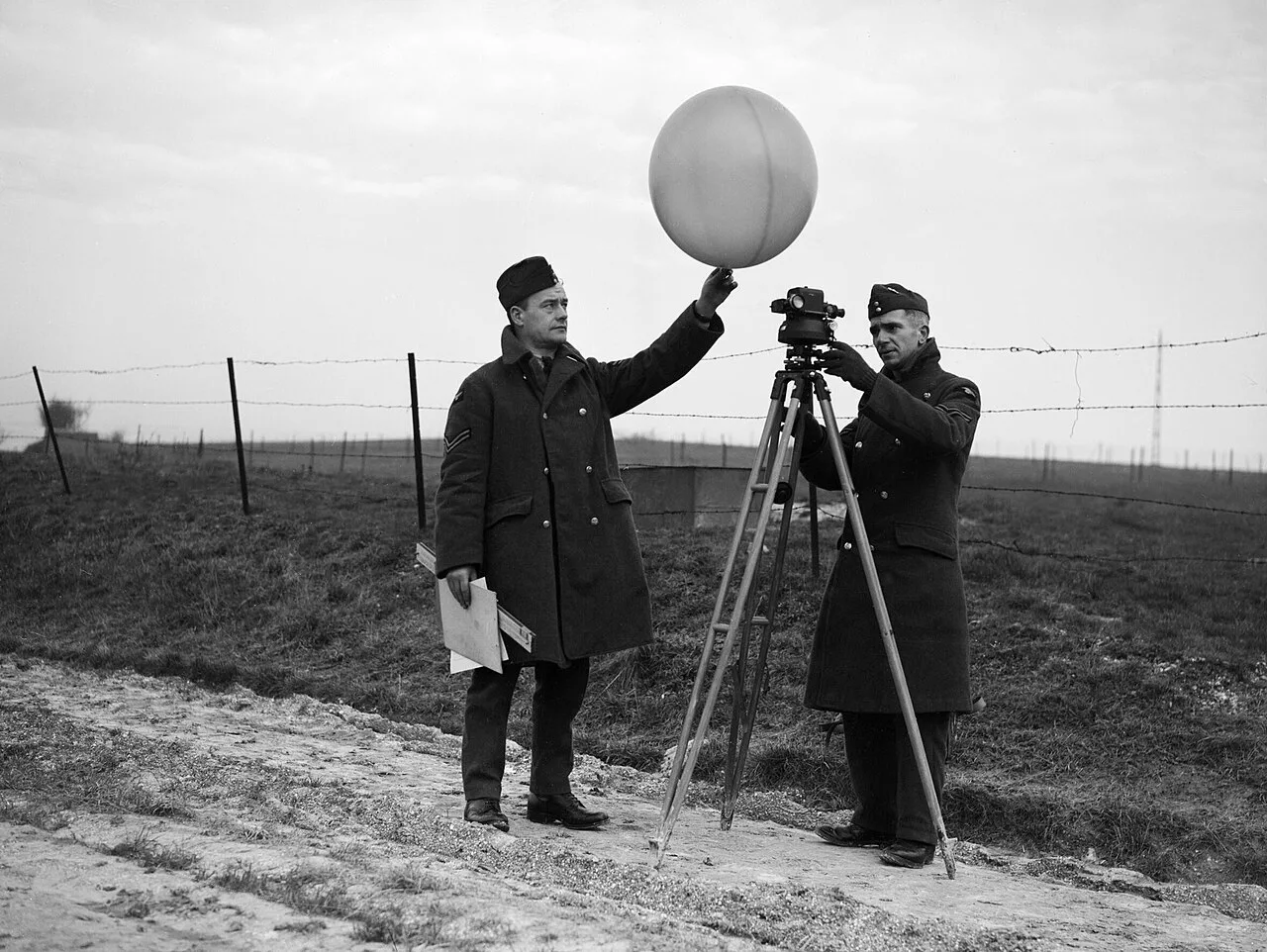
Field estimation of cloud height starts with picking a point on the ground below the cloud you want to measure. Walk or pace a baseline away from that point, then sight the cloud base from the far end with a clinometer. The longer the baseline, the easier the angle is to read, though clouds far overhead need a longer walk. Record both the baseline distance and the angle in your notebook.
Working out height from the angle
The angle of elevation from your eye to the cloud base feeds a simple triangle calculation. Height equals the baseline distance multiplied by the tangent of that angle, added to your eye height. A low angle means the cloud base is far away and high, while a steep angle points to a cloud closer overhead. Keep the arithmetic in your notebook and check it against the next sighting.
When to read a ceilometer instead
A ceilometer measures cloud base height directly by sending a light or laser pulse upward and timing the return. Fixed ceilometers report a cloud base measurement for aviation and weather stations, and a handheld version can be carried in a field bag. Use a ceilometer when the cloud is overcast and has no clear edge to sight. A sighting method still works when no instrument is at hand.
Cloud Height Questions for the Field
How do you determine cloud height by eye?
You determine cloud height by eye by estimating the angle to the cloud base from a measured distance. Pick a ground point below the cloud, pace a baseline, then judge the angle upward and work out the height. A clinometer makes the angle reading more reliable than a bare estimate. This field estimation method needs a clear view of the cloud base.
What is the difference between cloud base measurement and cloud height?
Cloud base measurement is the height of the lowest part of a cloud above the ground. Cloud height often means the same thing in field notes, though some records refer to the top instead. State which level you measured when you write the figure down. A ceilometer reports the cloud base directly.
Can a clinometer measure cloud height?
A clinometer measures cloud height when you combine its angle reading with a known baseline. The instrument gives the angle of elevation, and a short calculation turns that angle into a height. Hold the clinometer steady and sight the cloud base, not the cloud top. A shaky reading throws the height off.
When should you use a ceilometer for cloud base height?
A ceilometer suits cloud base height readings when the sky is overcast or the cloud edge is hard to sight. The instrument sends a pulse upward and times the return to give a direct figure. Handheld ceilometers fit in a field bag, while fixed units serve weather stations. Use the sighting method when no instrument is available.