Astronomical League Lunar Observing Program
Learn how the Astronomical League Lunar Observing Program works, what lunar features to observe, how to keep an observing log, and how to earn the certificate.
Contents
- What the Lunar Observing Program Is
- Setting Up a Simple Observing Log
- Choosing Optics for Lunar Work
- Using Moon Phases to See Features
- Working Through the Lunar Features
- Submitting the Log for the Certificate
- Questions About the Lunar Observing Program
- What is the Astronomical League Lunar Observing Program?
- Do I need a large telescope for the lunar observing program?
- What goes into a lunar observing log?
- When is the best time of month to observe lunar features?
- How do I get the observing certificate after finishing?
The Astronomical League Lunar Observing Program is a structured self-guided project in which an amateur astronomer observes a set of lunar features and records each one in an observing log. Finishing the list and submitting the log earns an observing certificate from the Astronomical League. The program turns casual Moon watching into a repeatable observing routine tied to lunar phases.
- The program is a checklist of lunar features observed and recorded over many sessions.
- A working telescope or good binoculars and a simple observing log are the main tools.
- Timing observations to Moon phases makes craters and ridges easier to see.
- Completed logs are submitted through a local amateur astronomy club or the League for the certificate.
- The same list works as a personal lunar observing list even without the certificate.
What the Lunar Observing Program Is
The Astronomical League Lunar Observing Program is a self-paced observing project built around a roster of lunar features. An observer works through that roster over multiple nights and writes down what was seen at the eyepiece. The program is not a class, since no instructor walks you through the Moon.
The Astronomical League is an organization of amateur astronomy clubs, and it runs several observing programs that reward careful sky work with a certificate. Each program publishes its own target list and its own rules for documenting observations. The lunar program follows that same pattern of list, log, and review.
The reward is an observing certificate that recognizes completed work rather than skill level or equipment quality. An observer with a modest telescope can complete the same list as one with a large instrument. What the program measures is time spent at the eyepiece and the quality of the notes.
Setting Up a Simple Observing Log
An observing log is the record that carries the whole program, so set it up before the first session. Each entry needs the date, the time, the lunar phase, the instrument used, and the sky conditions. A notebook with preprinted columns saves effort at the eyepiece.
For every feature, note what you actually saw, such as the shape of a crater rim, the brightness of a ray system, or the shadow inside a walled plain. A sketch adds value because it forces careful looking and gives a record that words miss. Label the sketch with the feature name and the direction of lunar north.
Consistency matters more than beauty, because a reviewer must follow your entries without asking questions. Keep the same order of fields in each entry and write the feature name as it appears on the program list. Store the log where dew and wind cannot reach it during a session.
Choosing Optics for Lunar Work
A small refractor or a modest reflector shows every crater and ridge on the program list when the air is steady. Binoculars on a tripod reveal the larger maria and the brightest craters and make a useful start. A lunar filter reduces glare when the Moon is past half lit.
Magnification matters less than steadiness, so a solid mount and a comfortable seat improve the view more than a bigger lens. Let the telescope cool before observing so the image stops shimmering. Observe from a spot where pavement or a rooftop does not radiate heat into the light path.
A star atlas or a lunar map helps you identify a feature before you search for it. Many observers print a Moon map and mark features as the log grows. Keep the map oriented to the view in the eyepiece, which may be mirror reversed depending on the telescope design.
Using Moon Phases to See Features
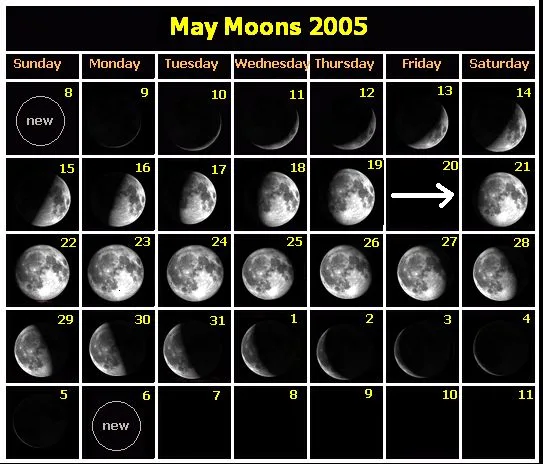
Moon phases decide which features stand out, because the terminator, the line between light and shadow, creates the contrast the eye needs. Craters near the terminator show long shadows that reveal depth and rim structure. The same crater under full light looks flat and gives little away.
A waxing Moon favors features on the eastern side of the disk in the evening sky. A waning Moon favors the western side in the morning sky. Plan sessions around the phase that puts your next target near the terminator.
The full Moon still has a place in the program, since bright ray systems and dark maria show well without shadows. Schedule those targets for the nights around full phase and save the rough terrain for the crescent and quarter phases.
Working Through the Lunar Features
Lunar features on the program list fall into a few families that reward different observing approaches. Craters, walled plains, mountain ranges, rilles, and ray systems each need their own timing and magnification. Group your target list by feature type so one session serves several entries.
Large craters such as Copernicus and Tycho show bright ejecta rays best near full phase. Rilles and thin faults need high magnification and a low Sun angle near the terminator. Maria appear as smooth dark plains that reward low power and a wide field.
Mark off each feature in the log as it is completed and note the phase that gave the clearest view. Revisit a feature in a later phase when the first attempt was inconclusive. A second look often turns a vague entry into a clear one.
Submitting the Log for the Certificate
The Astronomical League Lunar Observing Program certificate is awarded after a completed log passes review under the League's program rules. An amateur astronomy club often coordinates the review and forwards the material. Check the current program instructions for the exact submission path before you finish.
Reviewers look for entries that match the listed features and show genuine observation. Neat notes, dates, and instrument details make the review straightforward. A sketch or a short description of the view supports each entry.
Keep a copy of the log for yourself, since mailed material can be lost. Many observers continue the log after the certificate and use it as a personal record of lunar work over the years.
Questions About the Lunar Observing Program
What is the Astronomical League Lunar Observing Program?
The Astronomical League Lunar Observing Program is a self-guided project in which an observer views a set of lunar features and records each one in a log. A completed log earns an observing certificate from the Astronomical League. It suits any amateur who wants a structured reason to study the Moon.
Do I need a large telescope for the lunar observing program?
No, a modest telescope or tripod-mounted binoculars show every feature on the program list under steady skies. Sharpness and steady air count for more than aperture on the Moon. Lunar filters help manage glare at brighter phases.
What goes into a lunar observing log?
A lunar observing log records the date, time, Moon phase, instrument, and sky conditions for each session. Each feature entry describes what was visible and may include a sketch. Consistent fields make the log easy for a reviewer to follow.
When is the best time of month to observe lunar features?
Features show the most detail near the terminator, the line between lunar day and night, because long shadows reveal relief. Plan crater and mountain targets for the crescent and quarter phases. Bright ray systems show well near full phase.
How do I get the observing certificate after finishing?
Submit the completed log through the path given in the current Astronomical League program instructions, often with a local astronomy club. A reviewer checks that entries match the listed features. Keep a copy of the log for your own records.
Read next
-
 Watching Moonrise on the Prairie Horizon
-
 Planning Lunar Eclipse Viewing: Visibility Maps, Locations and Times
-
 Observing the Moon with a Telescope
-
 Finding Lunar Eclipse Viewing Parties
-
 Observing the Moon with Binoculars
-
 Books About the Daytime Moon for the Prairie Birdwatcher
-
 Moon Watching for Beginners on the Prairie
-
 Moon Phase Calendar: Today, This Month and 2026
-
 Daytime Moon Quotes: A Quiet Companion for Prairie Birdwatching